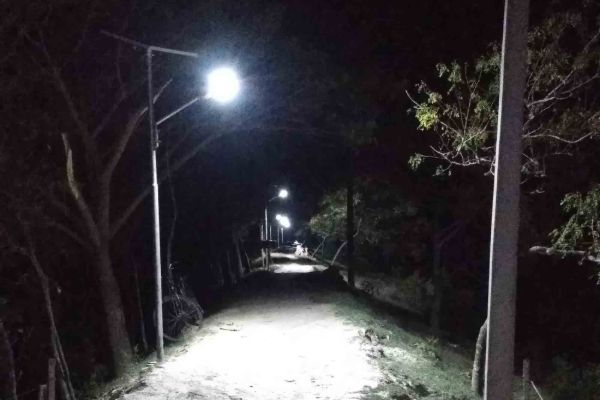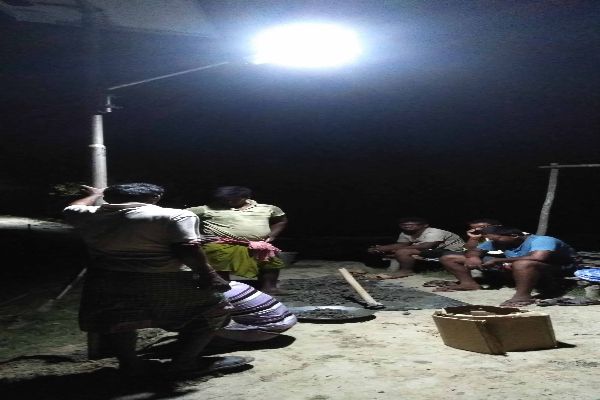
Tech Solar is dedicated to giving you the very best range of end to end Solar Products and most efficient & effective execution of Solar EPC Projects on PAN basis, with focus on four characteristics, viz Reliability, Customer Centric, Quality Products & Services, and Post Sales Services. To meet the varied needs and expectations of multi segment customers – Tech Solar has got associated with the reputed OEMs.
🌞 Trusted Solar Energy Company providing complete solar power solutions for homes, businesses, industries, and institutions.
⚡ End-to-End Solar EPC Services including consultation, design, supply, installation, testing, and commissioning.
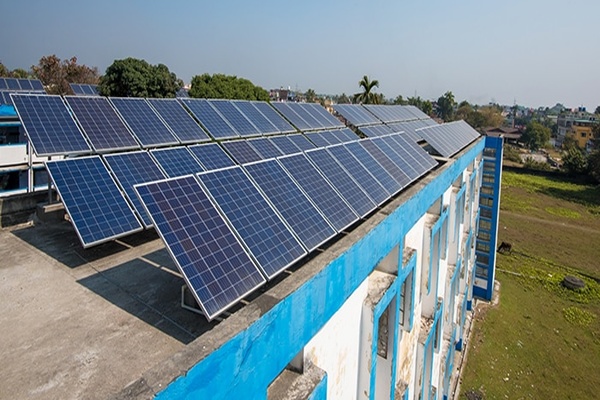
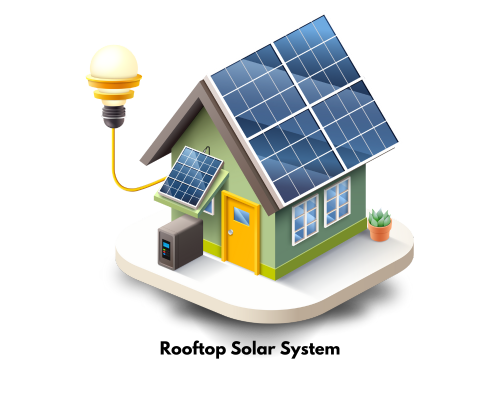
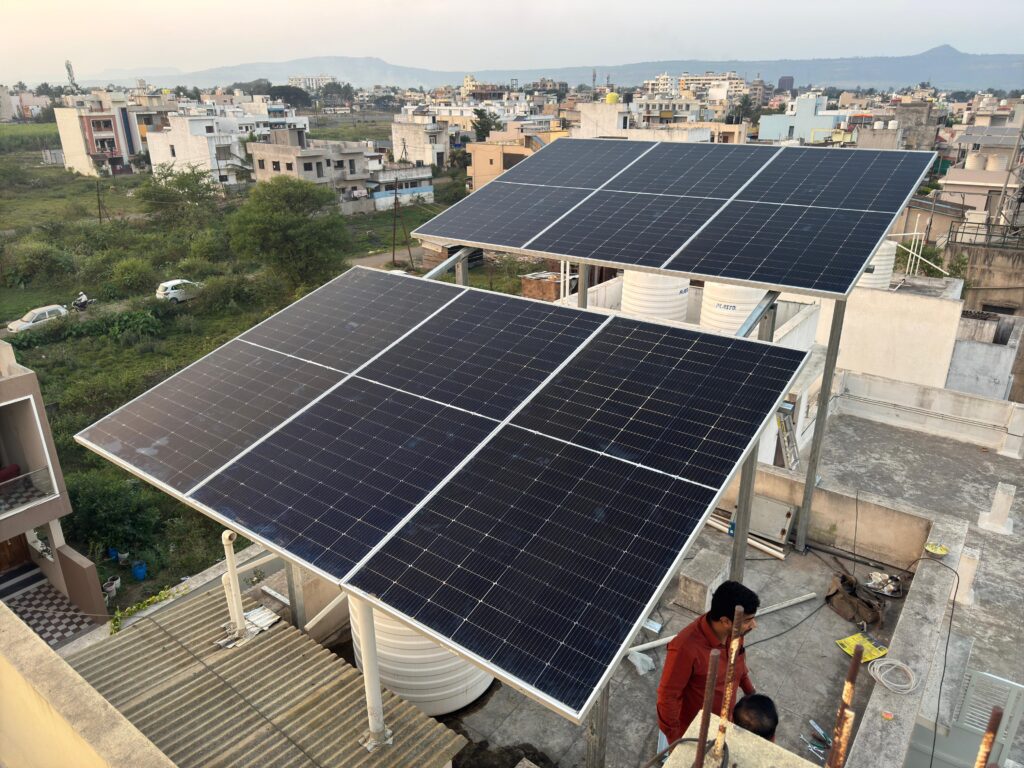
Generate clean, reliable electricity from your rooftop with Tech Solar Enterprise's Solar Rooftop Power Plant solutions. We design, install, and maintain high-performance rooftop solar systems for residential, commercial, industrial, and institutional customers, helping reduce electricity costs while promoting a greener future. At Tech Solar Enterprise, we provide premium-quality solar panels for residential, commercial, and industrial applications, ensuring excellent performance, durability, and significant savings on electricity bills.
Read More
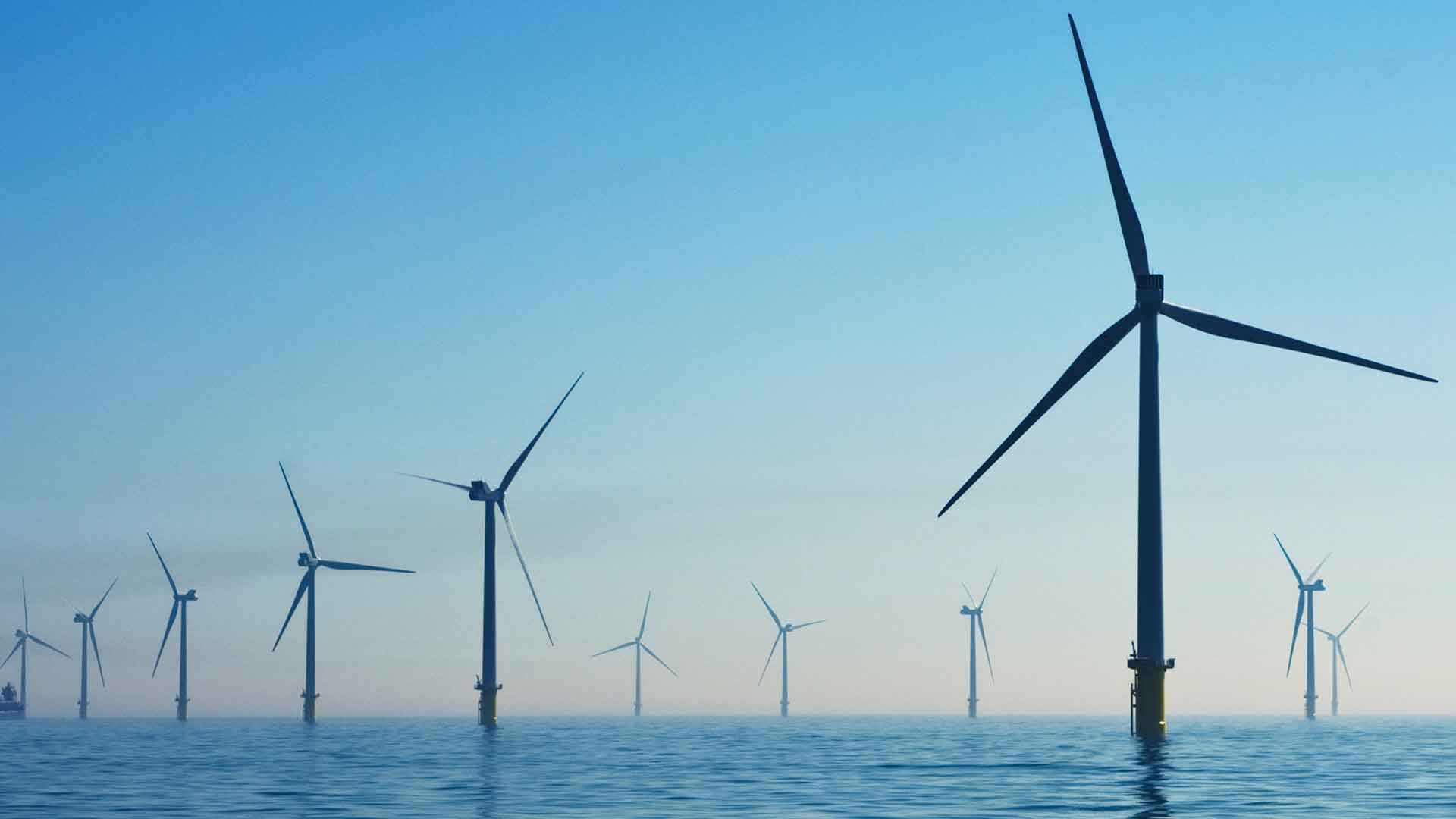
Harness the power of the wind with reliable and efficient wind turbine solutions from Tech Solar Enterprise. Our wind energy systems are designed to generate clean, renewable electricity for residential, commercial, agricultural, and industrial applications, helping reduce energy costs and support a sustainable future.
Read More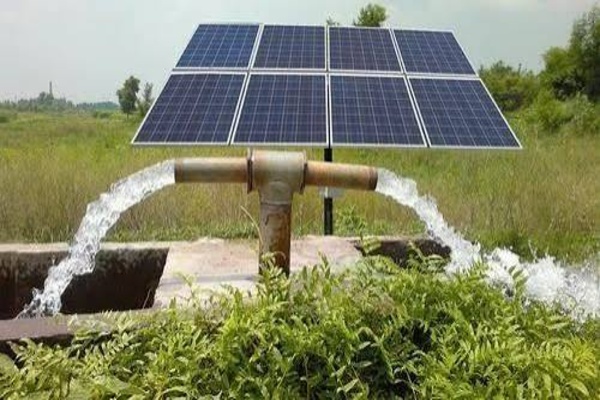
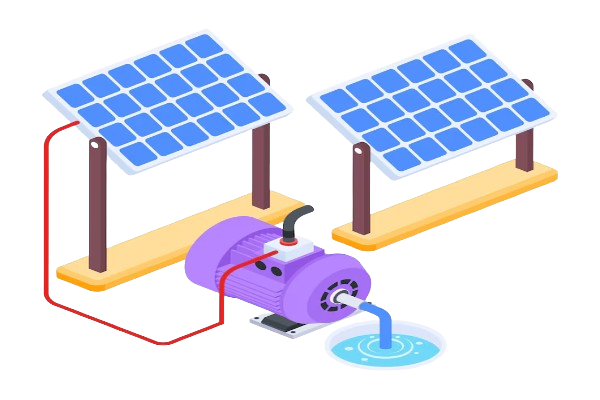
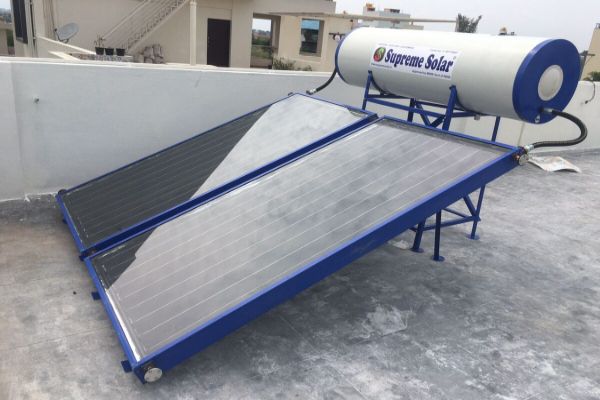
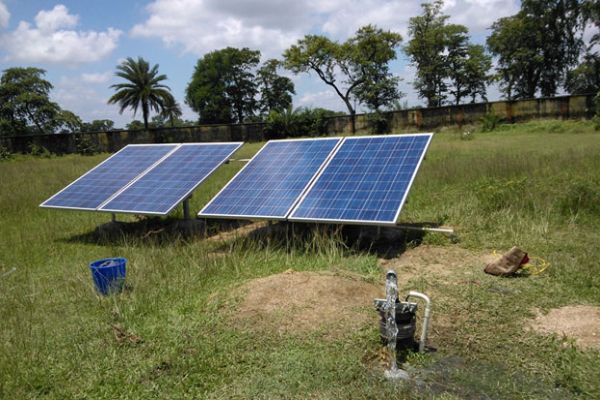
Power your water supply with Tech Solar Enterprise's Solar Pump Solutions. Our solar water pumping systems provide a reliable, cost-effective, and eco-friendly solution for agriculture, irrigation, drinking water, and industrial applications without depending on grid electricity. and Enjoy a continuous supply of hot water while saving on electricity, Our energy-efficient water heaters are ideal for homes, hotels, hospitals, hostels, and commercial establishments.
Read More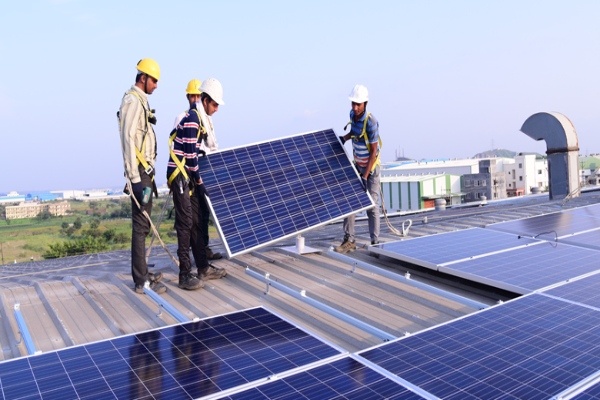
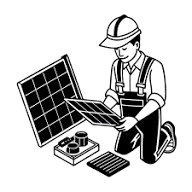
This involves physically installing the solar panels, connecting them to the electrical grid, and testing.
Read More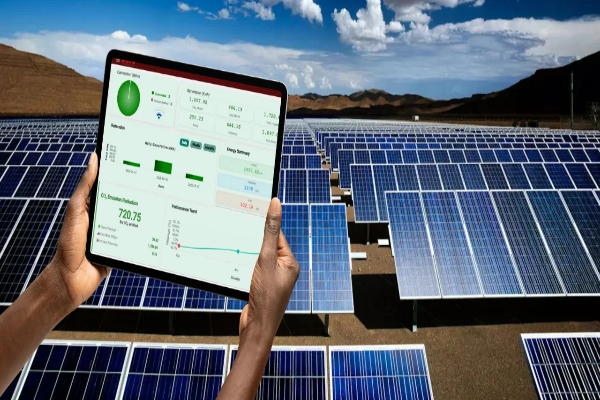
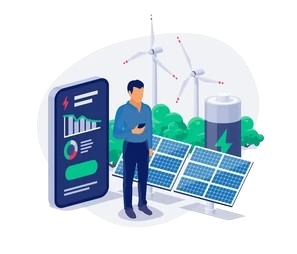
Solar panel services often include monitoring the performance of the solar panel system.
Read More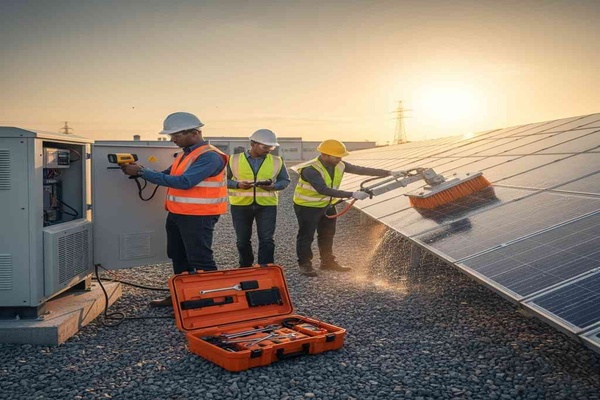
Regular cleaning, inspection, and preventive maintenance of solar panels are important & Solar panel services may also include the repair of any equipment.
Read MoreAt Tech Solar Enterprise, we provide complete Commercial & Residential Solar System solutions tailored to your energy requirements. From consultation and system design to installation and maintenance, we deliver reliable, high-performance solar power systems that help reduce electricity costs and ensure long-term energy independence.
Key Features
☀️ Customized Solar System Design
🏠 Residential & Commercial Installations
⚡ On-Grid, Off-Grid & Hybrid Solutions
📊 Smart Monitoring & Performance Tracking
Quality
Expert
Free
Customer
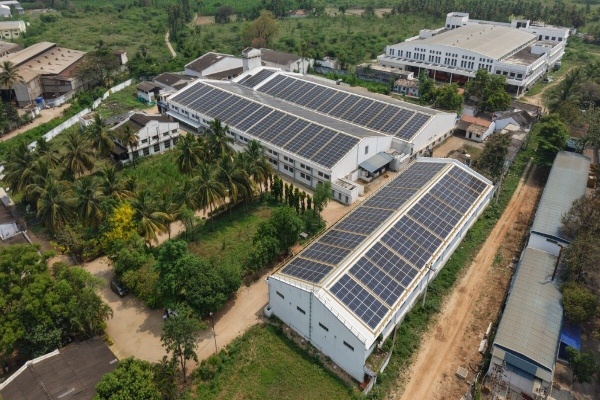
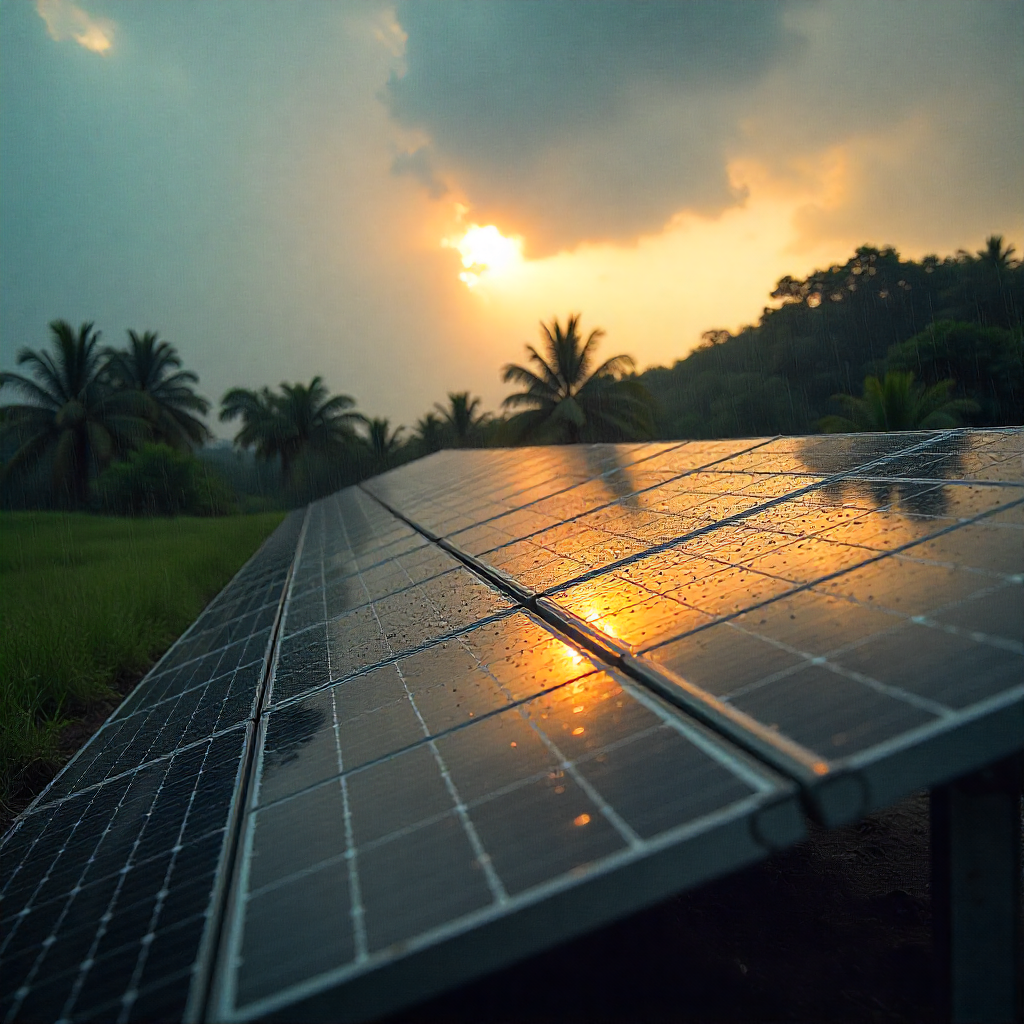
Discover the perfect solar solution for your home or business today.



Click on a question to view the answer.
Tech Solar provides Rooftop Solar Power Plants, On-Grid, Off-Grid, Hybrid Solar Systems, Solar Water Pumps, Solar Water Heaters, Solar Street Lights and complete Residential & Commercial Solar EPC solutions.
Most residential rooftop solar installations are completed within 1–3 days. Commercial projects may take longer depending on the project size and site conditions.
Solar energy helps reduce electricity bills by up to 90%, offers excellent long-term savings, increases property value, and allows you to benefit from government subsidies and net metering.
Our solar panels are designed to withstand harsh weather conditions and typically come with a performance warranty of up to 25 years.

I am very satisfied with the 10kW solar system installed at my residence. The savings on electricity bills are impressive, and the entire process was smooth and transparent. The team provided excellent support for CESC approvals and completed the net metering work within a short time.

I installed a 5kW On-Grid solar system on my rooftop, and it has been really helpful. It reduced my electricity bill by about 85% of the total bill. The installers were also very helpful in coordinating with CESC and getting the net meter installed at my premises within 20 days after the installation.

Great experience with the rooftop solar installation service. The 3kW On-Grid system is generating excellent power output, and our electricity expenses have reduced drastically. The company also provided quick assistance for net metering and completed everything on time.
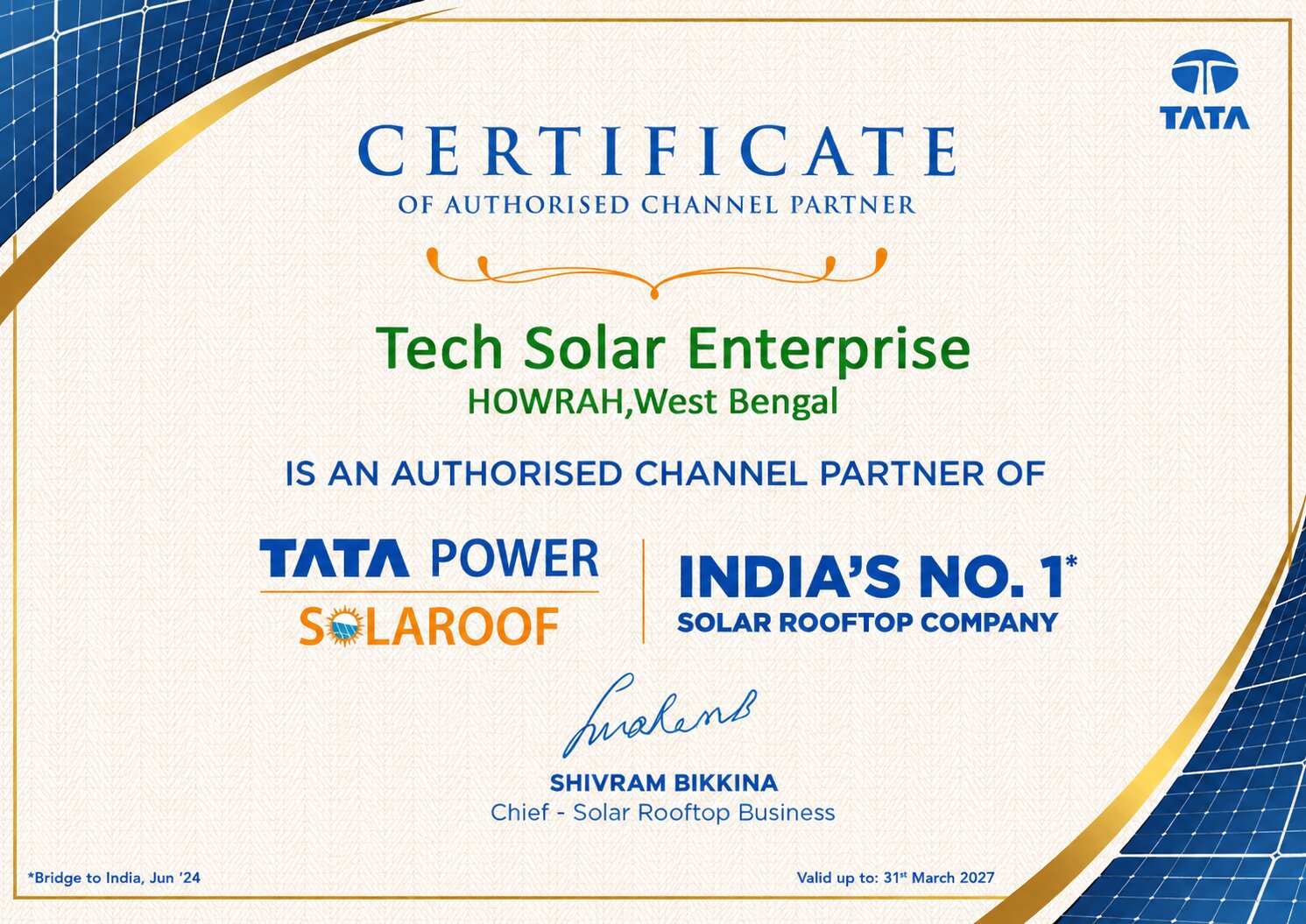
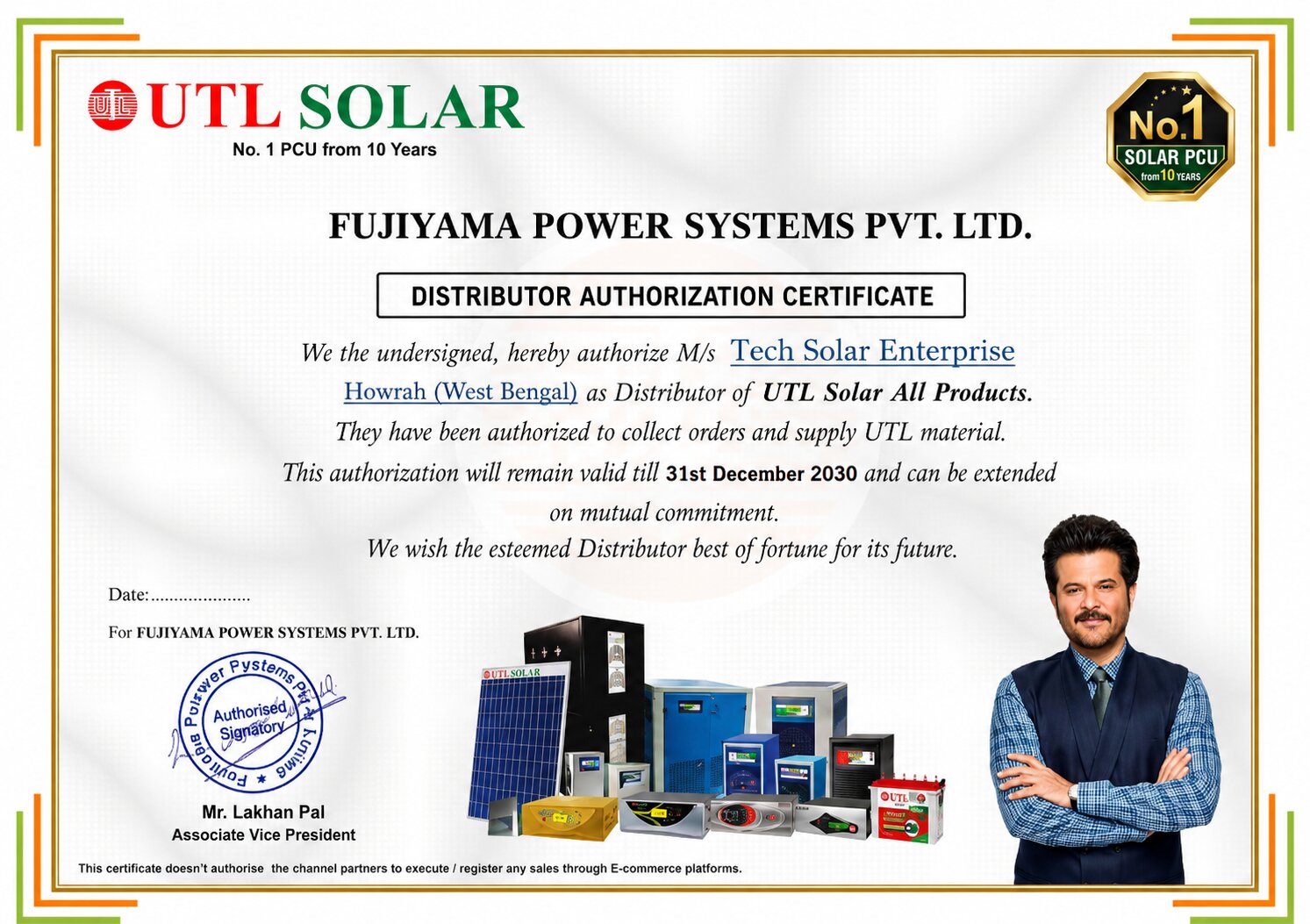
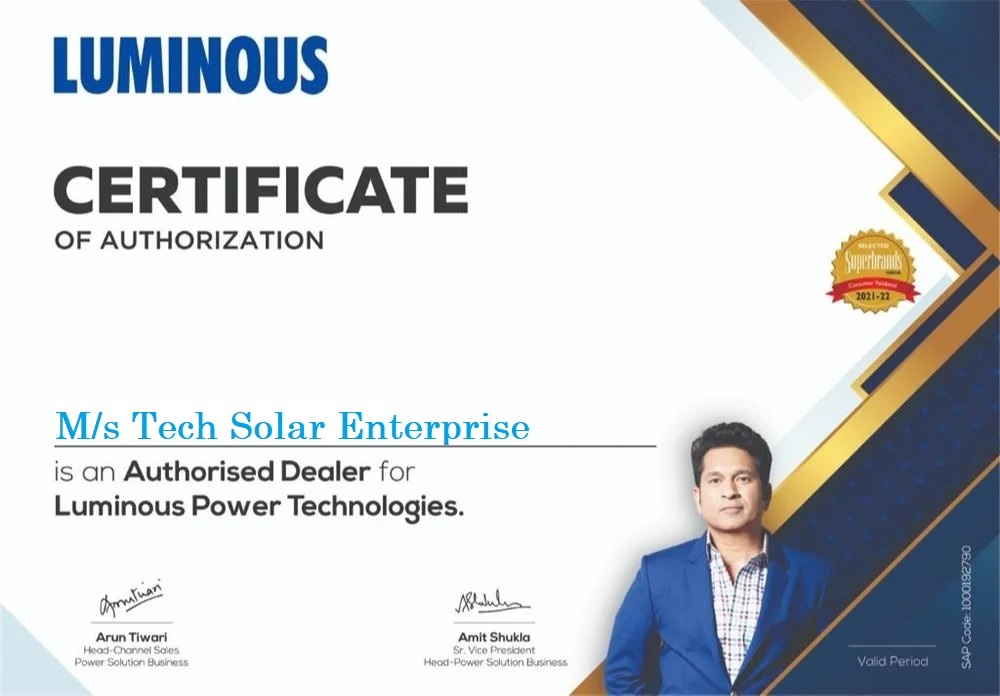
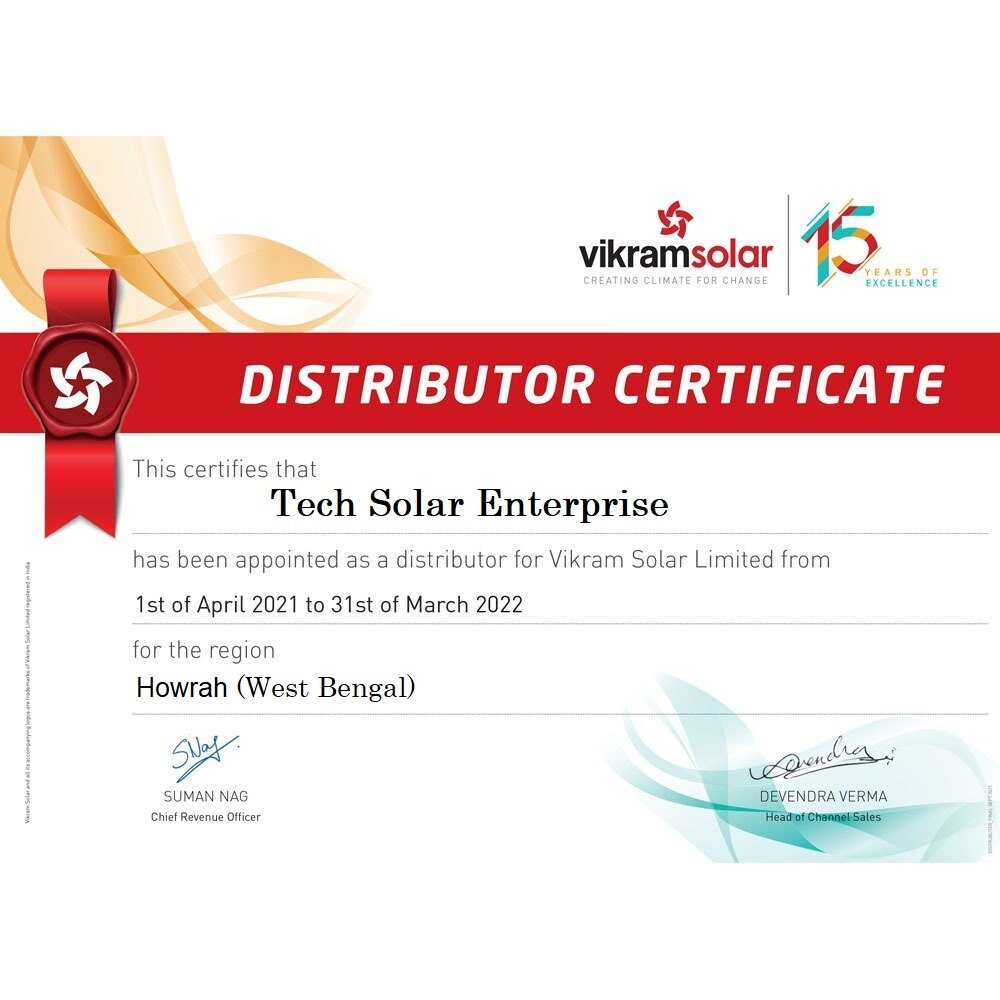
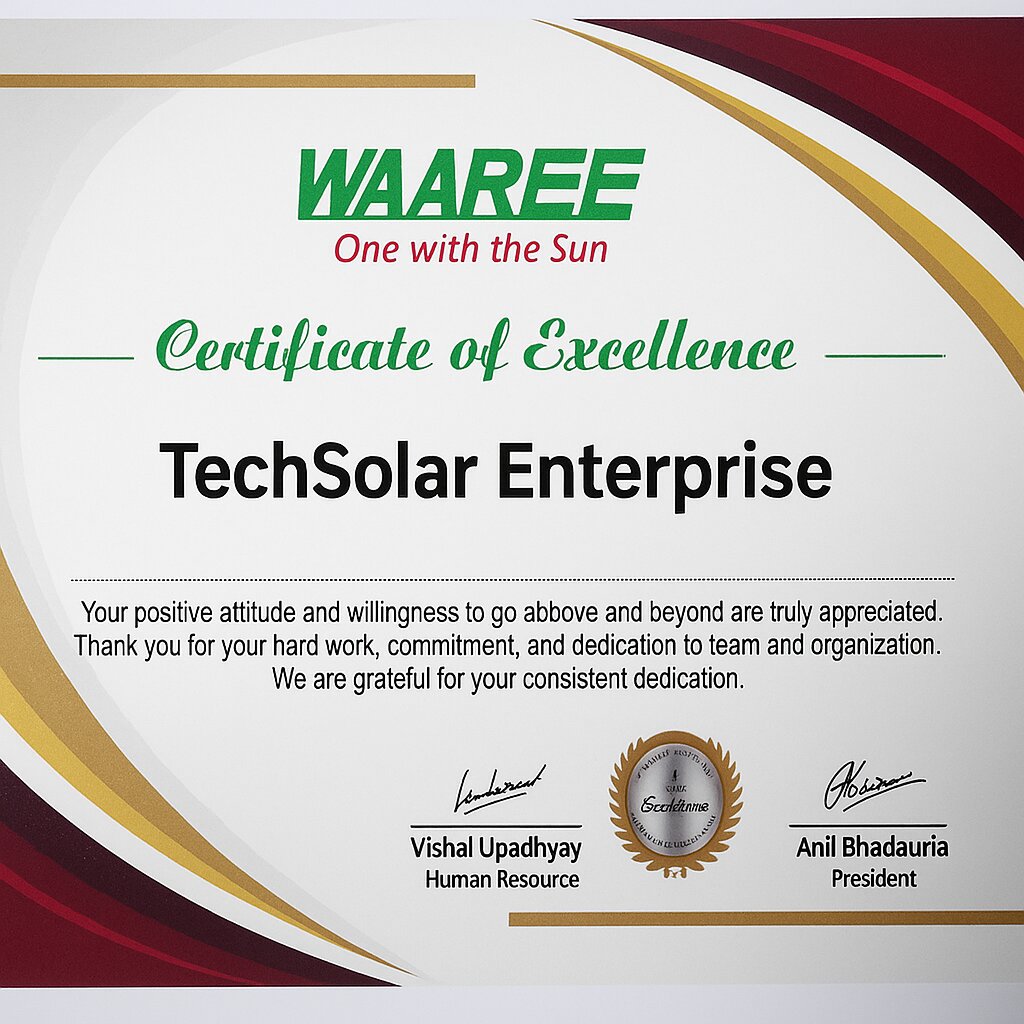
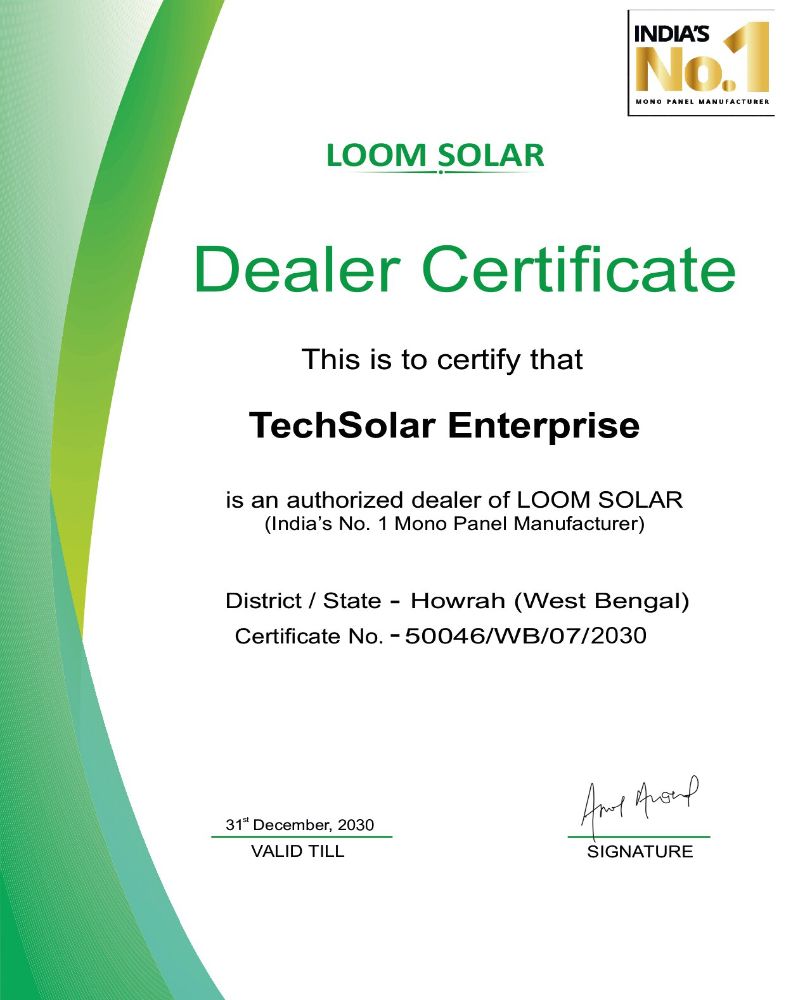
Tech Solar is an authorized dealer and installation partner for India's leading solar brands, ensuring genuine products, manufacturer support, and reliable installation services.
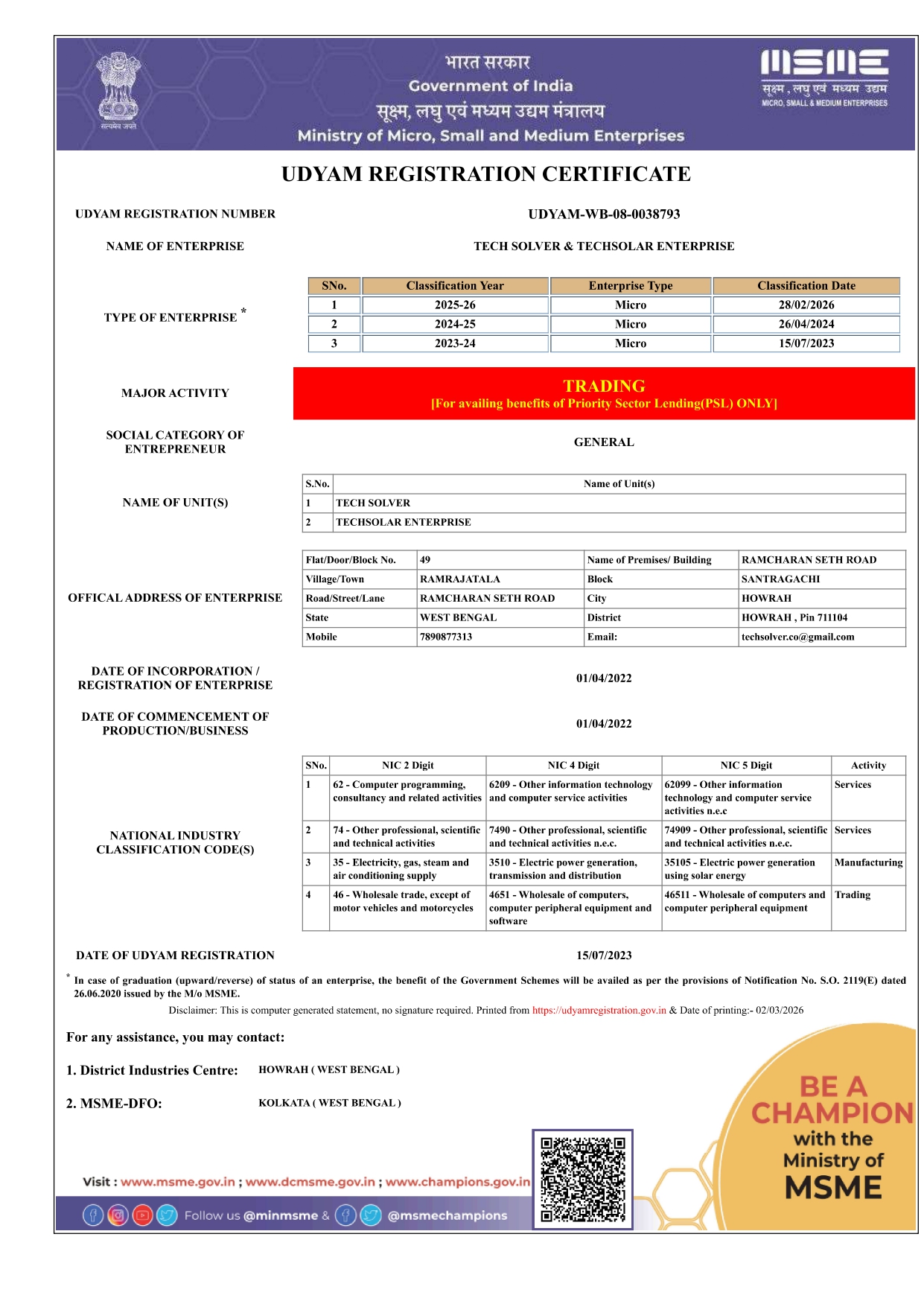
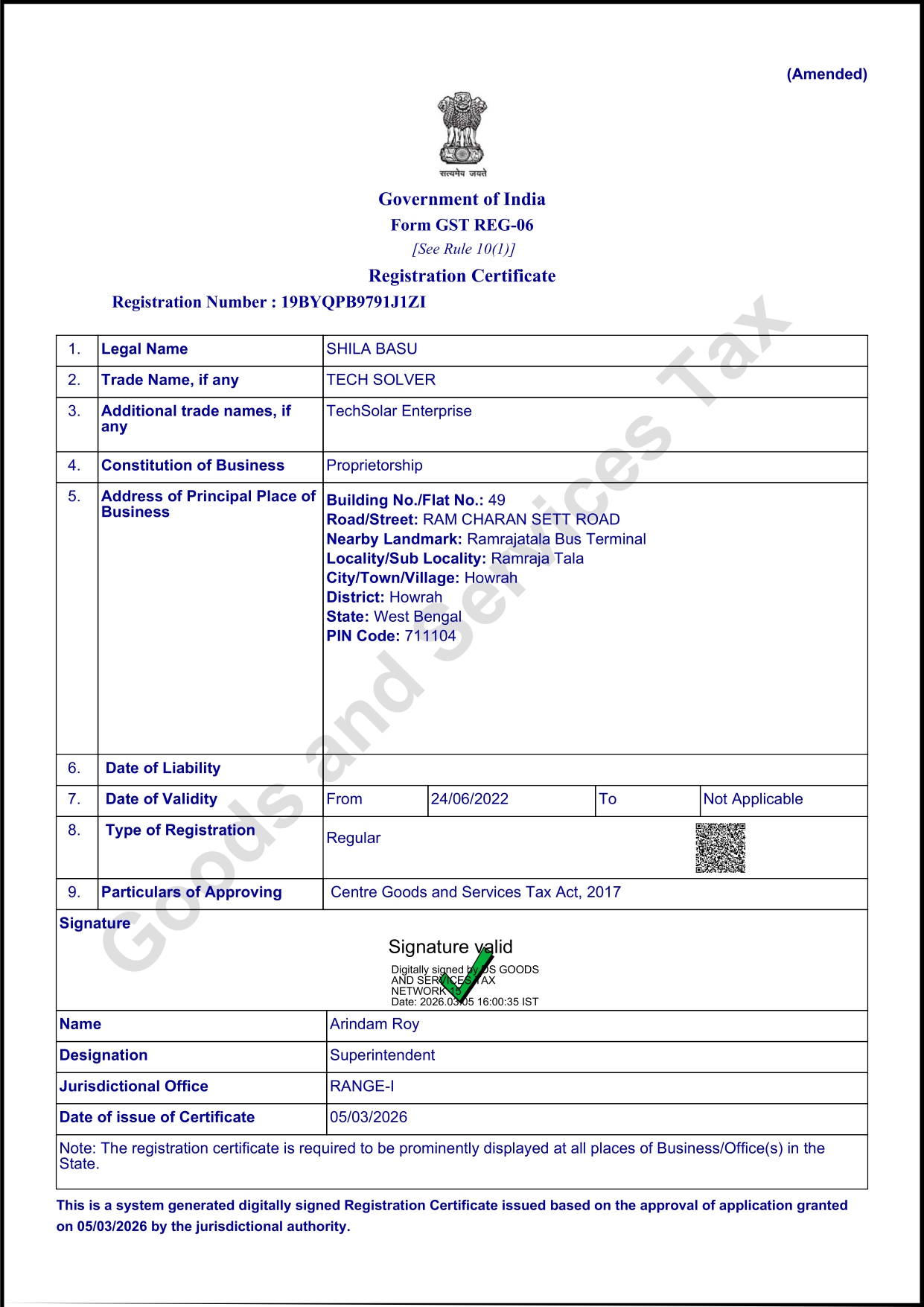
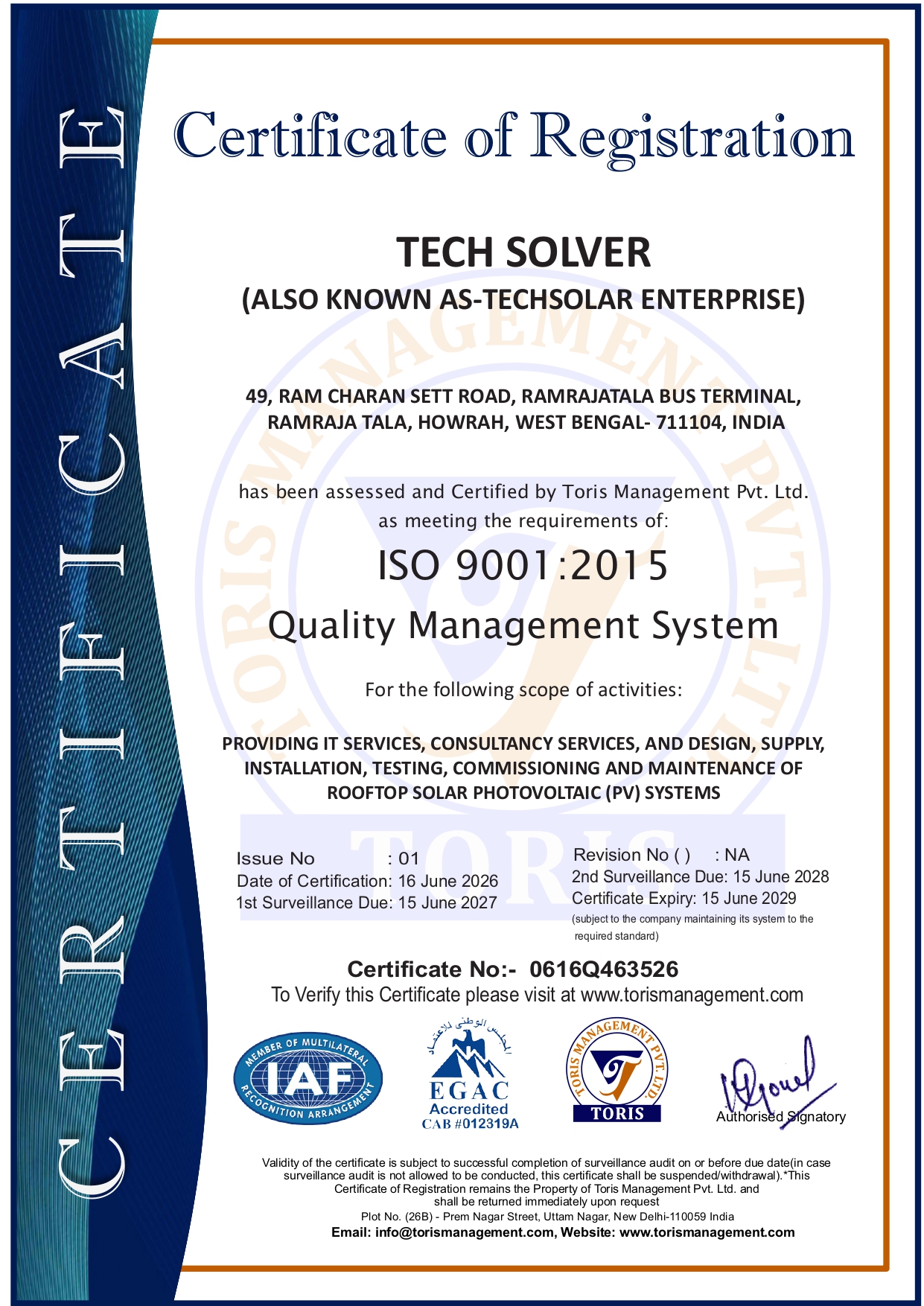
TechSolar Enterprise is a registered and compliant business with certifications and registrations including MSME (Udyam), ISO certification, and GST registration, demonstrating our commitment to quality, reliability, and regulatory compliance.
49,Ramcharan Seth Road;Opposite 52 New BusStand; Howrah-711104; West Bengal, India
+91 9433928344
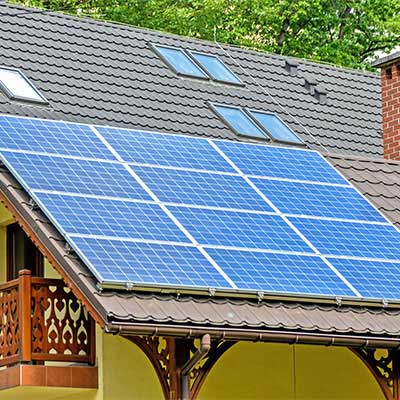


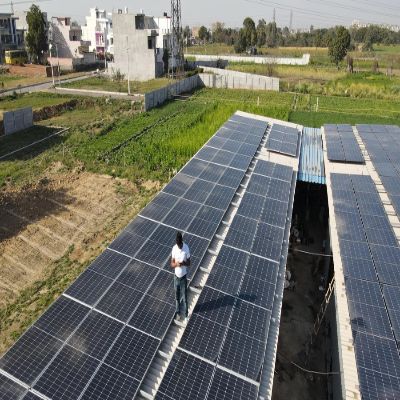

India to almost double its renewable power capacity in next 5 years: IEA report
Government extends Rooftop Solar Programme till March 2026